FORUM OF ARAB PARLIAMENTARIANS ON POPULATION AND DEVELOPMENT

Sustainable cities and communities
Goal 11: Sustainable cities and communities
More than half of the world’s population now live in urban areas. By 2050, that figure will have risen to 6.5 billion people – two-thirds of all humanity. Sustainable development cannot be achieved without significantly transforming the way we build and manage our urban spaces.
In 1990, there were ten mega-cities with 10 million inhabitants or more. In 2014, there are 28 mega-cities, home to a total 453 million people. The rapid growth of cities in the developing world, coupled with increasing rural to urban migration, has led to this boom in mega-cities.
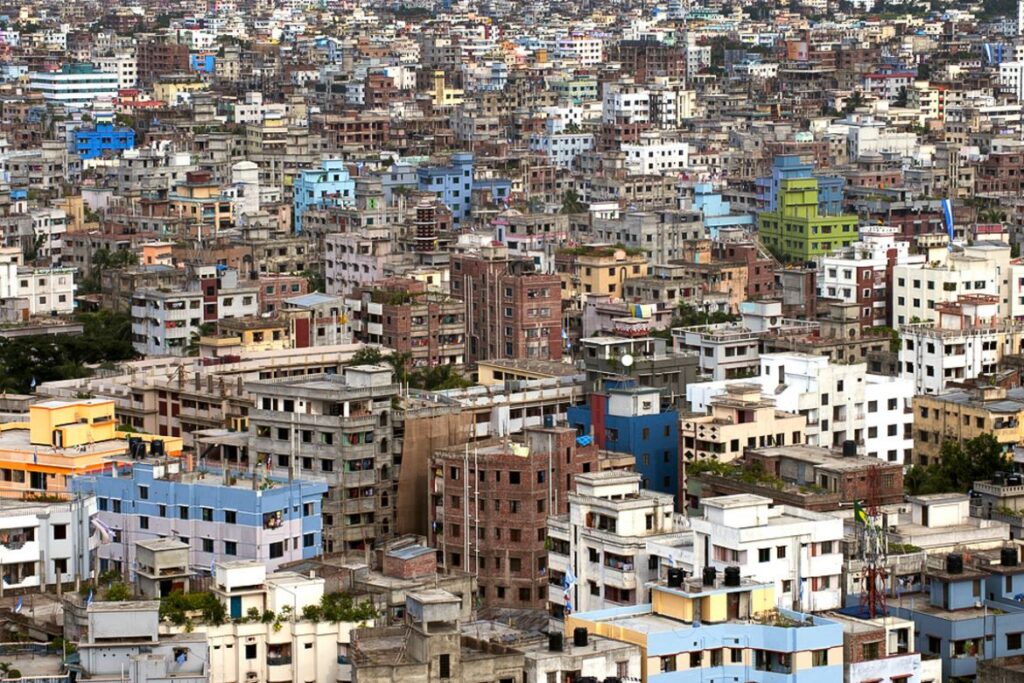
The Arab region is rapidly urbanizing with the urbanization rate growing at an average rate of 2.5 percent per year (2015 estimates). Today, more than half of the Arab population (57 percent) lives in urban areas with great variance across the region (99 and 98 percent in Qatar and in Kuwait, respectively; to 58 and 44 percent in Morocco and Egypt, respectively; down to 3 and 28 percent in Sudan and Comoros, respectively). Around 28 percent of all urban residents in the region are living in slums or informal settlements and in the least developed countries of the region, almost two thirds of urban residents live in slums.
Extreme poverty is often concentrated in urban spaces, and national and city governments struggle to accommodate the rising population in these areas. Making cities safe and sustainable means ensuring access to safe and affordable housing, and upgrading slum settlements. It also involves investment in public transport, creating green public spaces, and improving urban planning and management in a way that is both participatory and inclusive.
Facts and figures
4.2 billion
In 2018, 4.2 billion people, 55 percent of the world’s population, lived in cities. By 2050, the urban population is expected to reach 6.5 billion.
3%
Cities occupy just 3 percent of the Earth’s land but account for 60 to 80 percent of energy consumption and at least 70 percent of carbon emissions.
828 million
828 million people are estimated to live in slums, and the number is rising.
33
In 1990, there were 10 cities with 10 million people or more; by 2014, the number of mega-cities rose to 28, and was expected to reach 33 by 2018. In the future, 9 out of 10 mega-cities will be in the developing world.
90%
In the coming decades, 90 percent of urban expansion will be in the developing world.
80%
The economic role of cities is significant. They generate about 80 percent of the global GDP.